
What is Heart Failure?
Heart failure means the heart muscle is too weak or too stiff to pump blood effectively. It does not mean the heart has stopped working. Instead, it cannot keep up with the body’s demands. This causes blood to back up and fluid to accumulate in the lungs and extremities.
Common Symptoms
Your patient needs to monitor for signs of fluid retention and low oxygen. Shortness of breath during activity or while lying flat in bed. Persistent coughing or wheezing, sometimes with pink-tinged mucus. Visible swelling in the legs, ankles, feet, or abdomen. Sudden weight gain of 2–3 pounds in a day from fluid. Chronic fatigue and weakness during simple daily tasks. Rapid heart rate or a fluttering feeling in the chest.
Diagnostic Timeline & Testing
To confirm a diagnosis and build a treatment plan, the patient’s care team will order specific tests.
Initial Evaluation:
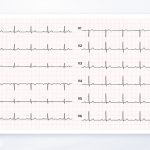
A physical exam alongside a 12-lead ECG to trace heart rhythms. Biomarker Blood Work: A BNP or NT-proBNP test to check for fluid pressure strains.
Imaging Standards:
A chest X-ray to check for fluid in the lungs.
The Definitive Tool:
An echocardiogram to measure the heart’s exact pumping percentage.
Medical Treatments
Treatment focuses on easing the heart’s workload and preventing further tissue damage.
Diuretics: Water pills like furosemide to flush out excess fluid.
ACE Inhibitors/ARBs: Medications that widen blood vessels to lower blood pressure.
Beta-Blockers: Pills that slow down the heart rate to preserve energy.
SGLT2 Inhibitors: Modern therapies that lower hospitalization risks.
Lifestyle Adjustments
Daily habits are just as critical as prescriptions for stabilizing heart health.
Strict Sodium Limits: Restricting salt intake to under 2,000 mg daily.
Fluid Tracking: Measuring daily liquid intake to prevent fluid overloads.
Daily Weigh-ins: Checking weight every morning to catch sudden fluid retention.